
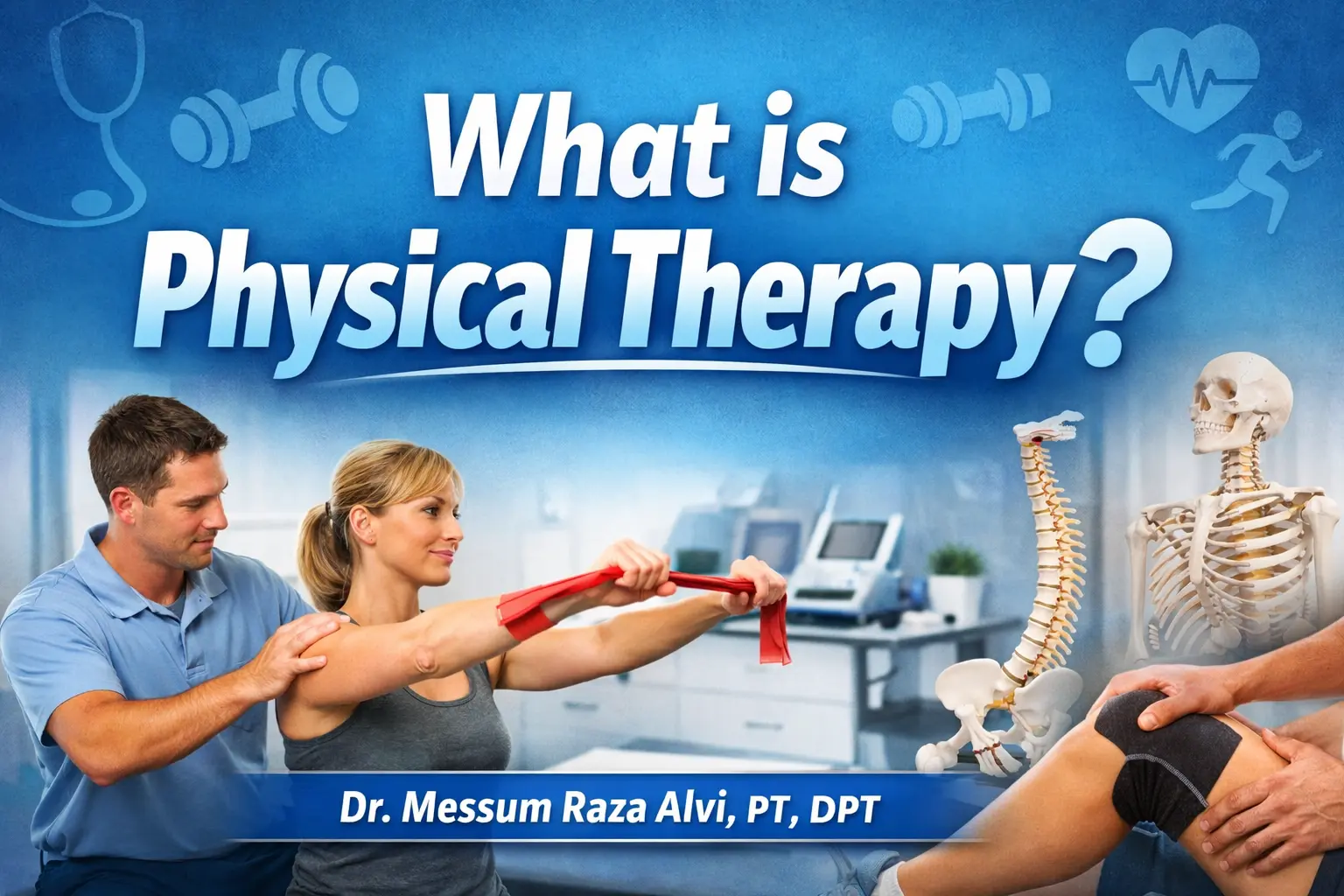
What Is Physical Therapy? (Complete Guide for Beginners)
If you’ve ever dealt with pain, injury, or limited movement, chances are someone told you to “try physical therapy.” But what is physical therapy, really—and does it actually work, or is it just glorified exercise?
Let’s break it down properly.
What Is Physical Therapy?
Physical therapy (also known as physiotherapy) is a healthcare treatment focused on restoring movement, reducing pain, and improving physical function without relying heavily on medication or surgery.
It uses:
- Targeted exercises
- Manual therapy (hands-on techniques)
- Posture correction
- Movement training
The goal? Get your body working the way it was designed to—simple as that.
Benefits of Physical Therapy
Here’s where things get interesting. Physical therapy isn’t just for injuries.
Key benefits:
- Pain relief without medication
- Faster recovery after injury or surgery
- Improved mobility and flexibility
- Prevention of future injuries
- Better posture and body mechanics
- Increased strength and endurance
Truth is, most people only think of physiotherapy after something goes wrong. Smart people use it to avoid problems in the first place.
What Does Physical Therapy Help Treat?
Physical therapy treatment covers more ground than people realize.
Common conditions:
- Back and neck pain
- Sports injuries
- Stroke recovery
- Arthritis and joint pain
- Post-surgical rehabilitation
- Neurological disorders
- Muscle stiffness and weakness
If it affects movement, there’s a good chance physical therapy can help.
Types of Physical Therapy
Not all physical therapy is the same. Different problems require different approaches.
Major types:
- Orthopedic physical therapy – bones, joints, muscles
- Neurological physical therapy – stroke, spinal cord injuries
- Cardiopulmonary therapy – heart and lung conditions
- Pediatric physical therapy – children with developmental issues
- Geriatric physical therapy – elderly care and mobility
Each type targets a specific system of the body.
Physical Therapy vs. Occupational Therapy
People mix these up all the time.
- Physical therapy → focuses on movement, strength, and mobility
- Occupational therapy → focuses on daily activities (eating, dressing, working)
Think of it like this:
- PT gets you moving
- OT helps you live normally again
What Is a Physical Therapist?
A physical therapist (PT) is a licensed healthcare professional trained to diagnose and treat movement-related issues.
They don’t just tell you to “do exercises”—they analyze how your body moves and fix the root cause.
Physical Therapist Education Requirements
Becoming a physical therapist isn’t easy.
Typically includes:
- Doctor of Physical Therapy (DPT) degree
- Clinical training and internships
- Licensing exams
So yeah—these aren’t random gym trainers. They’re medically trained professionals.
What Does a Physical Therapist Do?
A physical therapist:
- Assesses your condition
- Creates a personalized treatment plan
- Guides exercises and movements
- Uses manual therapy techniques
- Tracks your progress
Their job is to get you from pain → function → independence.
Where Do You Get Physical Therapy?
You can receive physical therapy in:
- Hospitals
- Private clinics
- Rehabilitation centers
- Sports facilities
- At home (home-based therapy)
Access depends on your condition and location.
Physical Therapy Cost
Let’s be real—cost matters.
- With insurance: often partially or fully covered
- Without insurance: varies widely depending on country and clinic
In places like Pakistan, it’s generally affordable compared to surgery or long-term medication.
Physical Therapy Risks
Physical therapy is considered very safe, but not risk-free.
Possible risks:
- Temporary soreness
- Mild discomfort during exercises
- Rare injury if done incorrectly
Good therapists minimize these risks.
When Is Physical Therapy Considered?
Doctors usually recommend physical therapy when:
- Pain doesn’t go away
- Movement is limited
- Surgery recovery is needed
- Chronic conditions worsen
Honestly, most people start too late.
What Does Physical Therapy Involve?
A typical program includes:
- Stretching exercises
- Strength training
- Balance and coordination drills
- Manual therapy
- Education on posture and habits
It’s not random—it’s structured and progressive.
What Is the Aim of Physical Therapy?
The core aim is simple:
Restore movement, reduce pain, and improve quality of life.
Everything else is just a method to get there.
Who Offers Physical Therapy?
- Licensed physical therapists
- Rehab specialists
- Hospitals and clinics
Always go to certified professionals—not shortcuts.
How Can You Apply for Physical Therapy?
You can:
- Visit a doctor for referral
- Directly book a PT session (in many places)
Access is easier than people think.
Physical Therapy to Improve Range of Motion and Functionality
One of the biggest wins of physical therapy is improving range of motion.
Whether it’s:
- A stiff shoulder
- A locked knee
- A weak back
Therapy helps restore natural movement and daily function.
Does Physical Therapy Hurt?
Short answer: sometimes.
But here’s the truth:
- Good pain = muscle activation, stretching
- Bad pain = sharp, worsening pain
A skilled therapist knows the difference.
Inpatient vs. Outpatient Physical Therapy
- Inpatient → done in hospitals (serious conditions)
- Outpatient → clinic visits (most common)
Most people fall into outpatient care.
What to Expect During Your Physical Therapy Session
First session:
- Assessment
- Movement tests
- Goal setting
Follow-up sessions:
- Guided exercises
- Progress tracking
- Adjustments
No guesswork—everything is measured.
What to Wear to Physical Therapy
Keep it simple:
- Comfortable clothes
- Stretchable fabric
- Proper shoes
If you can’t move freely, therapy won’t work properly.
How Long Is a Physical Therapy Session?
Usually:
- 30 to 60 minutes per session
- 2–3 times per week
Consistency beats intensity here.
When to Stop Physical Therapy
Stop when:
- Goals are achieved
- Pain is gone or manageable
- Function is restored
But quitting early? That’s where most people mess up.
Do I Need a Referral for Physical Therapy?
Depends on your country:
- Some allow direct access
- Others require a doctor’s referral
Check local regulations.
What Are the Risks of Physical Therapy?
Reinforcing earlier:
- Overexertion
- Improper technique
- Ignoring therapist instructions
Follow the plan, and risks stay minimal.
Is Physical Therapy Worth It?
Let’s not sugar-coat it.
If you:
- Want long-term recovery
- Want to avoid surgery
- Want real functional improvement
Then yes—it’s absolutely worth it.
If you expect instant results without effort? Then no, it won’t work.
When Should I See My Healthcare Provider?
Seek help if:
- Pain lasts more than a few days
- Movement becomes difficult
- Injury affects daily life
Waiting it out rarely fixes the root problem.
What Makes Physical Therapy Unique?
Unlike medication, physical therapy:
- Treats the cause, not just symptoms
- Builds long-term strength
- Prevents future issues
It’s not a quick fix—it’s a permanent upgrade.
Is Physical Therapy Right for Me?
If you have:
- Pain
- Injury
- Limited mobility
- Post-surgery recovery
Then yes—you’re a candidate.
What Is a Physical Therapist’s Role?
A physical therapist’s role is to:
- Diagnose movement issues
- Guide recovery
- Educate patients
- Prevent re-injury
They’re not just treating you—they’re teaching your body how to function properly again.
Final Thoughts
Most people ignore their body until it forces them to pay attention.
Physical therapy flips that mindset.
Instead of masking pain, it fixes the system causing it.
And here’s the hard truth:
Your recovery depends more on your consistency than your therapist’s skill.
